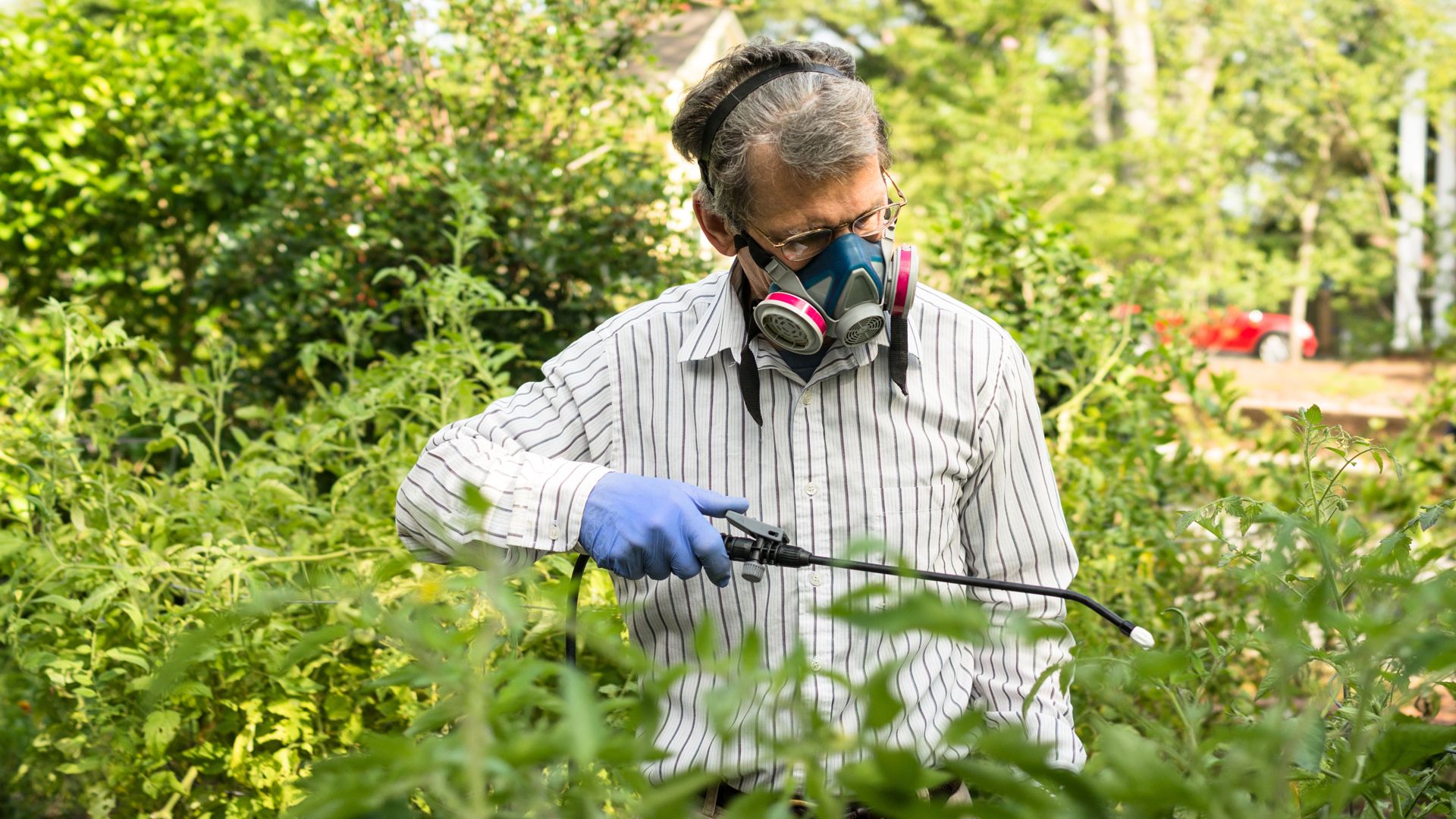
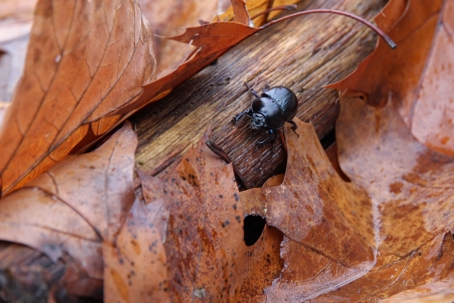
Fall in North Texas finally brings mornings that feel like air conditioning, and the pest pressure around your house changes almost overnight. Wasps get pushy around the patio, crickets turn up in the garage, and the first genuinely cool night sends mice looking for a way into the pantry. If you live in McKinney, Frisco, Plano, Allen, or any of the surrounding suburbs, this is the season to walk your property line with a flashlight and a plan.
Here is what becomes active or starts hunting for shelter as temperatures drop, plus the practical steps that actually keep these pests outside where they belong.
Why Fall Pushes Pests Toward Your Home
Insects and rodents respond to two things in autumn: the drop in temperature and the growing scarcity of easy food. Outdoor insects that spent the summer in your landscaping begin working toward protected cracks, window frames, and wall voids. Rodents are widely described as common fall invaders seeking warmth and food, and that combination sends them toward garages, attics, and crawl spaces.
Your home is the warmest, driest structure on the block. Once one pest finds a gap, others tend to follow the same route, which is why a single mouse in October can turn into a pattern by December.
The Fall Pests North Texas Homeowners Ask About Most
These are the pests you are most likely to notice between the first cool front and the depths of winter, along with what each one is doing near your house.
Rodents (Mice and Rats)
Mice and rats are the classic fall invader. They need a small gap and a food source, and most North Texas homes offer both through garage door seals, foundation penetrations, roofline vents, and gaps around plumbing. Watch for droppings along baseboards, gnaw marks on stored boxes, and scratching sounds after dark. Traps remove a few animals, but they do nothing about the entry points that let the next ones in.
Spiders
Spiders are among the common fall pests that show up inside Texas homes, and part of the reason is simple math. They follow the insects. When crickets and other small prey move indoors, hunting spiders follow, and web builders claim corners in garages, closets, and unfinished rooms. Reduce clutter in storage areas, vacuum webs and egg sacs, and shake out boots and stored boxes before use. Never handle an unidentified spider barehanded.
Crickets
Crickets are often the first fall pest homeowners notice, mostly because of the noise. They slip under doors and through worn weather stripping, then settle into garages, utility rooms, and baseboards. They are not a major health risk, but they feed the spiders and scorpions that follow, and they can stain fabrics. New door sweeps, tight thresholds, and less exterior lighting beside entry doors help more than most people expect.
Cockroaches
Large cockroaches appear on Texas fall pest lists for good reason. They move toward moisture and warmth, entering through plumbing penetrations, garage gaps, and weep holes. Kitchens, bathrooms, laundry rooms, and garages are the usual first stop. Because roaches can spread bacteria across food surfaces, this is a pest worth calling about early rather than experimenting with store-bought sprays.
Wasps and Yellow Jackets
Wasps and yellow jackets are still active in the fall in Texas, and by this point in the year they are generally considered more aggressive as winter approaches. Paper wasp nests turn up under eaves, on porch ceilings, and inside attics, while yellow jackets may nest in the ground, under decks, or inside wall voids. Never seal a hole where you see heavy wasp traffic. That traps them inside the structure.
Stink Bugs, Asian Lady Beetles, and Other Crawling Invaders
Stink bugs, Asian lady beetles, and boxelder bugs are fall pests looking for a place to overwinter rather than a place to breed. They gather on sunny siding, then work into cracks and window frames. Vacuum them instead of crushing them, since crushed stink bugs release the odor that gives them their name. Sealing cracks around windows, doors, and utility entries is the most effective control measure.
Ants and Termites
Some ants stay active indoors through the fall, and fire ants remain part of the picture in North Texas yards. Termites are on the fall pest list as well. Subterranean termites do not become harmless when the weather cools, so autumn is a good time to confirm that soil treatments and bait stations around your foundation are intact. Mud tubes on foundation walls, sagging trim, and soft wood near the ground warrant a professional inspection.
Scorpions
Scorpions are part of the regular pest lineup in this part of Texas and turn up in garages, along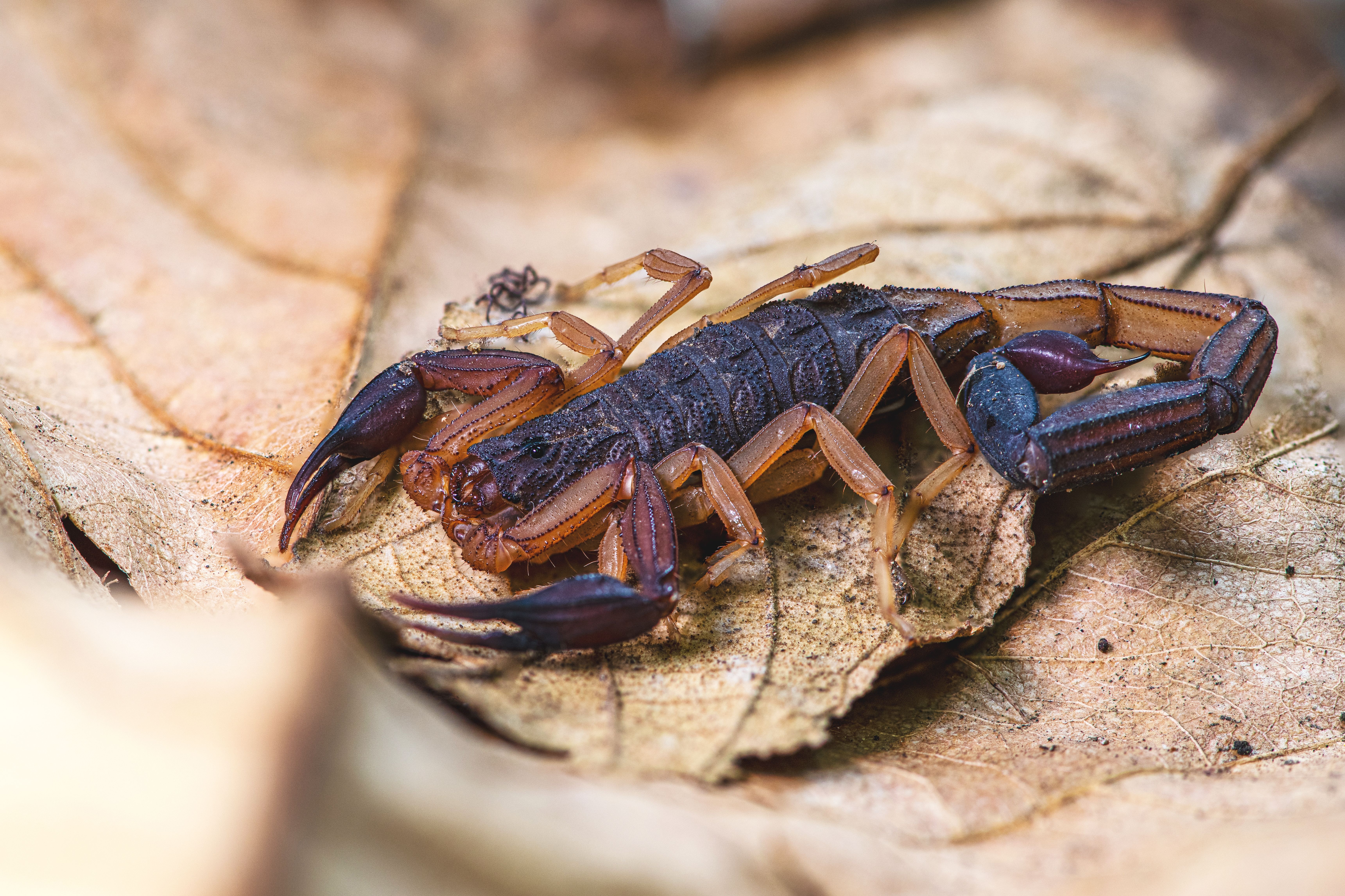 foundation lines, and inside homes more often than newcomers expect. They are one more reason to shake out shoes, gloves, and outdoor gear stored in dark corners. Clearing leaf litter, firewood, and stacked materials away from the foundation removes the shelter they prefer.
Fall Pest Activity at a Glance
Pest | What it is doing this season | Where you will notice it |
|---|---|---|
Mice and rats | Seeking warmth and food indoors | Garage, attic, pantry shelves, baseboards |
Spiders | Following insect prey inside | Corners, closets, windowsills, garage ceilings |
Crickets | Moving in through door gaps | Garages, utility rooms, baseboards |
Cockroaches | Heading for moisture and warmth | Kitchen, bathroom, laundry, garage |
Wasps and yellow jackets | Still active and more aggressive as winter nears | Eaves, porch ceilings, ground nests, wall voids |
Stink bugs and Asian lady beetles | Overwintering in walls and window frames | Sunny siding, window tracks, attic |
Ants and termites | Active indoors and around foundations | Kitchen counters, foundation walls, trim |
Scorpions | Sheltering under debris and around structures | Garage corners, foundation lines, stored gear |
How to Keep Pests Out This Fall
Fall prevention comes down to entry points and shelter. These are the same checks our technicians walk through on a first visit, and most of them cost little more than an afternoon.
Seal entry points. Use caulk or expanding foam on cracks and gaps around doors, windows, utility lines, and the roofline, and add door sweeps to exterior doors.
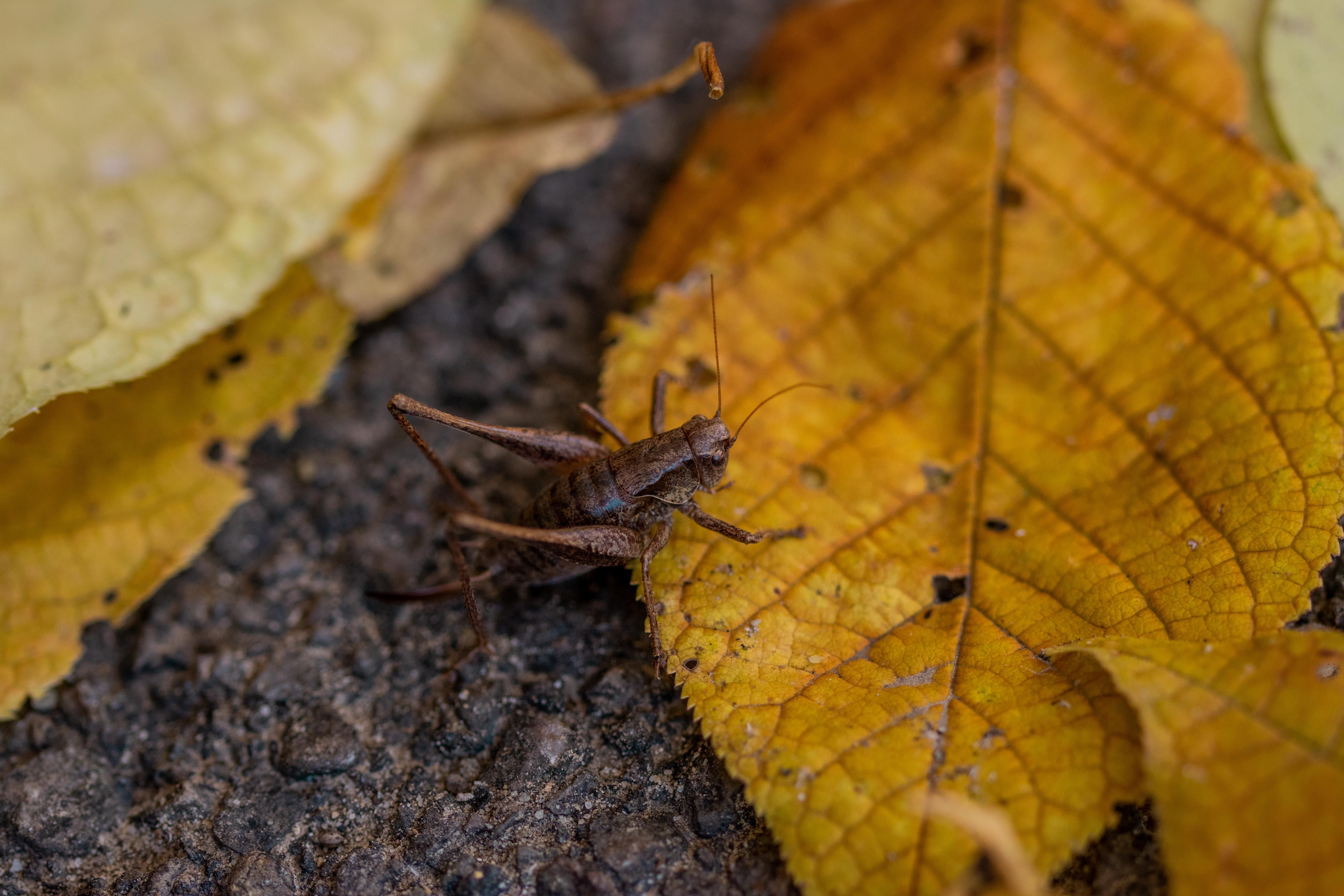
Keep the space clean. Store pantry food in sealed containers, wipe counters, take out trash regularly, and clear crumbs from garages and pet feeding areas.
Keep up with landscaping. Trim shrubs and tree limbs back from the siding and roofline, mow regularly, and move mulch and leaf litter away from the foundation.
Fix moisture problems. Address leaking faucets, dripping AC lines, and poorly draining gutters, since roaches and other pests are drawn to damp wood and standing water.
Reduce shelter near the house. Store firewood off the ground and away from walls, and avoid stacking cardboard or paper in garages and attics.
Schedule an inspection early. Professionals recommend booking inspections earlier in the year, ideally in spring, but a fall walkthrough still catches entry points before winter residents settle in.
Family and Pet Safety Comes First
If you have children, dogs, or cats, the question is not just whether a treatment works but how it is applied. A licensed and insured technician should be able to tell you exactly what product is being used, where it will be placed, and how long kids and pets should stay off treated surfaces. Bait stations and crack-and-crevice applications keep materials away from curious hands and paws far better than broad surface spraying.
Ask questions before the work begins. A company that answers them clearly is one you can trust around your family, and you should never feel rushed through that conversation.
Why North Texas Homeowners Call a Pro in the Fall
Store-bought sprays handle the pest you can see. They rarely handle the gap behind the garage framing that keeps letting new ones in. A professional visit works differently: an inspection to identify activity and entry points, targeted treatment for what is actually there, and a follow-up so the problem does not quietly return in January.
Big D Pest & Termite has served McKinney and the surrounding North Texas communities since 2001. We are a family-owned company with an A+ BBB rating, free estimates, and same-day appointments for pest problems that cannot wait. Our quarterly plans include inspection, treatment, and follow-up, and we also offer first responder, veteran, and annual agreement discounts. If fall pests have already found their way in, call Big D Pest & Termite or request your free estimate at bigdpest.com and get a licensed, insured pest professional scheduled.
Frequently Asked Questions
Are fall pests in Texas dangerous for kids and pets?
Most fall pests are a nuisance rather than a medical emergency, but the risks are real. Rodents contaminate food and gnaw wiring, cockroaches can spread bacteria across kitchen surfaces, and wasps and yellow jackets become more aggressive as winter approaches. Scorpions and spiders can sting or bite. Keeping pests out of living spaces is the simplest protection for children and pets.
Do rodents really come inside more in the fall?
Yes. Mice and rats are consistently listed among the most common fall invaders, and the reason is straightforward. They are looking for warmth and food as outdoor temperatures drop and natural food sources thin out. A garage, attic, or pantry wall gives them both, which is why sealing exterior gaps matters more in October than in July.
Do wasps stay active in the fall in Texas?
They do. Wasps and yellow jackets are often treated as spring and summer problems, but in Texas they remain active into the fall, and pest professionals note they can become more aggressive as winter gets closer. That makes fall a risky time to knock down a nest yourself, especially one tucked under eaves or inside a wall.
Does sealing my house actually keep fall pests out?
Sealing is the single most effective prevention step listed by Texas pest professionals, alongside keeping the space clean and maintaining landscaping. It will not eliminate a current infestation, but it closes the routes pests use to get inside. Pair sealing with an inspection so you know which gaps are actually being used.