July is peak mosquito season in McKinney, and if your evenings outdoors have turned into a constant battle with biting insects, you’re not alone. McKinney’s mosquito season runs from April through October, with June, July, and August bringing the heaviest populations. The good news: it’s not too late to act. Mosquitoes can complete a full breeding cycle in as few as 7 to 14 days in North Texas heat, which means every week you take action still cuts into the cycle before fall arrives.
We’ve been helping McKinney homeowners reclaim their yards since 2001, and the question we hear most this time of year has a common thread: people have tried the basics but can’t figure out why the mosquitoes keep coming back. Often, the answer has more to do with the neighborhood than the yard.
Why McKinney Yards Are Especially Hard to Control
Collin County’s summer storm pattern is part of the problem. A single afternoon thunderstorm can refill every container, swale, and low spot in your yard within hours, restarting the breeding cycle even if you eliminated standing water just days before. Warm temperatures mean eggs hatch quickly, and the cycle repeats faster than most homeowners expect.
Geography adds another layer of difficulty. Neighborhoods near Stonebridge Ranch lakes, Craig Ranch retention ponds, Wilson Creek, and Towne Lake face mosquito pressure that originates well outside any homeowner’s fence line. Community water features and natural waterways produce new mosquitoes continuously, so thorough on-property cleanup helps but doesn’t solve everything on its own.
It’s also worth knowing what the City of McKinney does and doesn’t do. The city runs an active mosquito surveillance program, setting traps beginning in May and larviciding known standing water on public land starting in March. Trapped mosquitoes are tested for West Nile virus, and the city sprays only when test results or confirmed human cases meet the trigger threshold. Private property isn’t treated by the city. Everything within your fence line is your responsibility.
Know What’s Biting You: The Two Species in McKinney
Not all mosquitoes behave the same way, and knowing which species is biting you points directly to the source. McKinney yards host two primary species, and telling them apart changes where you should focus your efforts.
Asian Tiger Mosquito (Aedes albopictus)
This species is aggressive in full daylight and stays close to home, typically within a few hundred meters of where it hatched. If you’re getting bitten while gardening at noon or while kids play outside in the afternoon, an Asian Tiger Mosquito likely hatched within your yard or a neighbor’s. It breeds in tiny amounts of standing water, including flower pot saucers, bottle caps, and pet water bowls.
Southern House Mosquito (Culex quinquefasciatus)
This is the primary carrier of West Nile virus in North Texas. It bites at dusk and after dark and breeds in larger, stagnant water sources like clogged gutters, drainage swales, and community ponds. If your worst biting happens in the evening, this species is likely the culprit, and the source may be off your property entirely.
Daytime bites point to small containers somewhere close by. Evening bites point toward gutters, drainage areas, and nearby water features. Both clues are useful when deciding where to focus your time this week.
Remove Every Breeding Site You Can Find
Eliminating standing water is the single most effective step a homeowner can take, but it only works on a weekly schedule. With McKinney’s summer heat, a mosquito can go from egg to biting adult in as few as seven days, so dumping the birdbath once isn’t enough.
These are the spots McKinney yards most commonly miss:
- Flower pot saucers that collect water after every rain
- Clogged gutters holding organic debris and slow-draining water
- French drains and drainage swales that pool between storms
- Kids’ outdoor toys, tarps, and pool covers with any concave surface
- Pet water bowls left outside and not refreshed daily
- Low spots in the lawn that stay wet for more than two days after rain
For water features you can’t or don’t want to remove (ornamental ponds or birdbaths, for example), change the water every three to four days or add Bacillus thuringiensis israelensis (Bti) larvicide dunks. Bti is a naturally occurring bacterium that kills mosquito larvae without harming birds, fish, or pets. It breaks the breeding cycle without requiring you to give up the feature entirely.
Cut the Cover Adult Mosquitoes Rely On
Between feedings, adult mosquitoes rest in shaded, humid spots to escape the Texas heat. Dense shrubs, the undersides of large leaves, fence lines with thick vegetation, beneath decks, and patches of tall grass all qualify. Trimming shrubs back from patios, mowing regularly, and clearing leaf piles from corners and fence lines removes the cover they depend on. You don’t need to strip your landscaping bare. You just need to eliminate the dense, low-light spots closest to where people spend time.
One more tactic worth trying on patios and decks: run a box fan or ceiling fan directed across the seating area. Mosquitoes are weak fliers, and moving air makes it difficult for them to land. It won’t replace other control steps, but it makes a measurable difference during outdoor gatherings.
When DIY Steps Aren’t Enough
For many McKinney yards, thorough cleanup and good maintenance reduce mosquito pressure significantly. But if your property backs onto an HOA pond, a greenbelt, Wilson Creek, or any community water feature, you’re dealing with a continuous source of new mosquitoes that on-property cleanup alone won’t fully address.
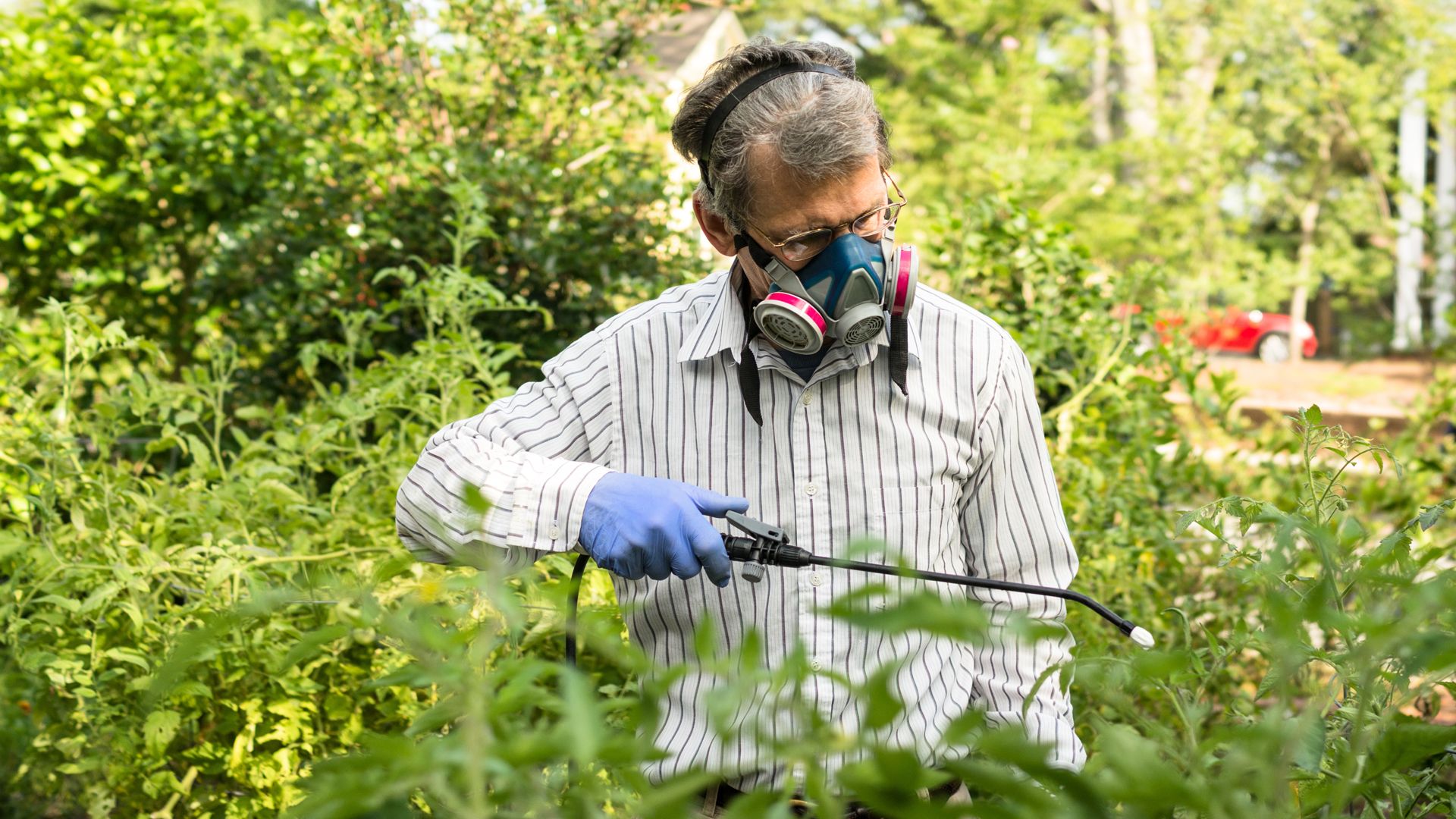
A professional barrier treatment targets adult mosquitoes where they rest, applying product to shaded foliage, fence lines, and harborage areas around your yard’s perimeter. In peak season, these treatments need to be renewed every three to four weeks, because new mosquitoes continue arriving from surrounding sources throughout the summer.
Our integrated pest management approach means our technicians aren’t just spraying and leaving. Every visit includes a breeding site inspection so we can flag new water sources that developed since the last service and adjust the treatment plan accordingly. It’s a repeating cycle of inspection, source reduction, and barrier application that mirrors how mosquitoes actually reproduce.
July isn’t too late to make a real impact. Several breeding cycles still remain before fall, and each one you interrupt means fewer mosquitoes in August and September. If your yard backs onto a pond, creek, or greenbelt, Big D Pest & Termite can walk you through what a mosquito control program would look like for your specific property. Give us a call at (214) 428-6826 to set up a free estimate.